Investigating Entertainment Systems
A Grandpa’s Story
When I was a child, there were so many different games to play. Boys loved playing with toy swords and guns. I remember some would wear masks and wave big sabers around, acting out “Officers Catch the Bandits.” There were toy guns that used strips of explosive paper—bang bang!—and the boys would chase each other around shooting. Some made slingshots to shoot birds.
At that time, they lived in shikumen houses. The alleyways were layered three deep inside and out, like a maze—perfect for playing hide-and-seek. During the New Year, they would buy a kind of firework shaped like a dragon and “battle” each other with it. There was also a rough-and-tumble fighting game called “da xiang da”—in Shanghainese it was called “guai jiao,” and the champion was called the “king.” I was once one of the eight “kings” in my class.
On ordinary days, boys played marbles, collected and flipped cigarette-brand cards, played a game called “drawing cheap bones,” spun tops (which still exist today), and rolled iron hoops. Girls were more gentle. The games they played most were jump rope with elastic bands, shuttlecock kicking (which still exists today, though it’s now more of a middle-aged and elderly activity), “building houses,” a rice-knot game with many variations, and pick-up sticks.
There were also many group activities: “Eagle Catches the Chicks,” “Passing the Flower While the Drum Beats” (still played today), “Looking for Friends,” a squeezing-together game called “Zha Sha Lao Niang You Fan Chi,” “Fighting Roosters” (balancing on one leg and bumping into each other), “Goalkeeper” (played in the French Plane Garden), and various kinds of group jump rope. During the New Year, there was also a clay-doll tossing game.
At that time, most ordinary families lived in wooden-partitioned rooms. You could hear everything people said or did, so it was easy to call friends out to play. Parents didn’t demand much from their children—just don’t cause trouble when you go out to play, and come home on time for dinner. What mothers called out most often was: “___, come home for dinner!”
College students were rare and highly valued then. Most families simply hoped their children would start earning money early, because they were poor, and going to university felt out of reach. My grandfather was actually a very good student and had already been pre-admitted to Shanghai Normal University’s preparatory program. But because joining the army meant no tuition fees and even a stipend, he gave up the chance to continue his education. He still deeply regrets it to this day.
When he was a little older, he wrestled, went to Chenghuang Temple’s Wanzhu Street to buy things, played table games like Kanglexiu and marble-table games, kicked small rubber balls at People’s Square, visited the Youth Palace’s “Adventure Paradise,” recorded a choir performance at Qizhongtian Radio Station, and attended city-organized summer camps… In short, he tried almost everything kids his age could play at the time.
As for New Year in Shanghai—my grandfather was born on Panjia Street near Yuyuan Garden. Legend says it was once the residence of Pan Yunrui in the Ming Dynasty, and Yuyuan was built as a private garden. Inside the garden, the City God was worshipped. I remember the annual temple procession, with people holding signs that said “Silence” and “Make Way,” beating gongs to clear the path. Inside the temple were statues of the twelve zodiac animals, the King of Hell, and the Black and White Impermanence spirits. I even saw the birthday of Kṣitigarbha Bodhisattva in July, when the ground was filled with burning incense (at that time it was across from Taiwan Road).
Every Spring Festival was especially lively—there were endless things to eat and play with. There was a street performance called “Living Monkey Tricks,” where a monkey was whipped to do somersaults to the sound of gongs. There were traveling medicine sellers who performed martial arts to attract customers, and “peep shows” where you looked at Western scenes through a box covered with black cloth. Setting off firecrackers goes without saying—you probably remember doing that yourself when you were young (even in Spain’s famous gardens).
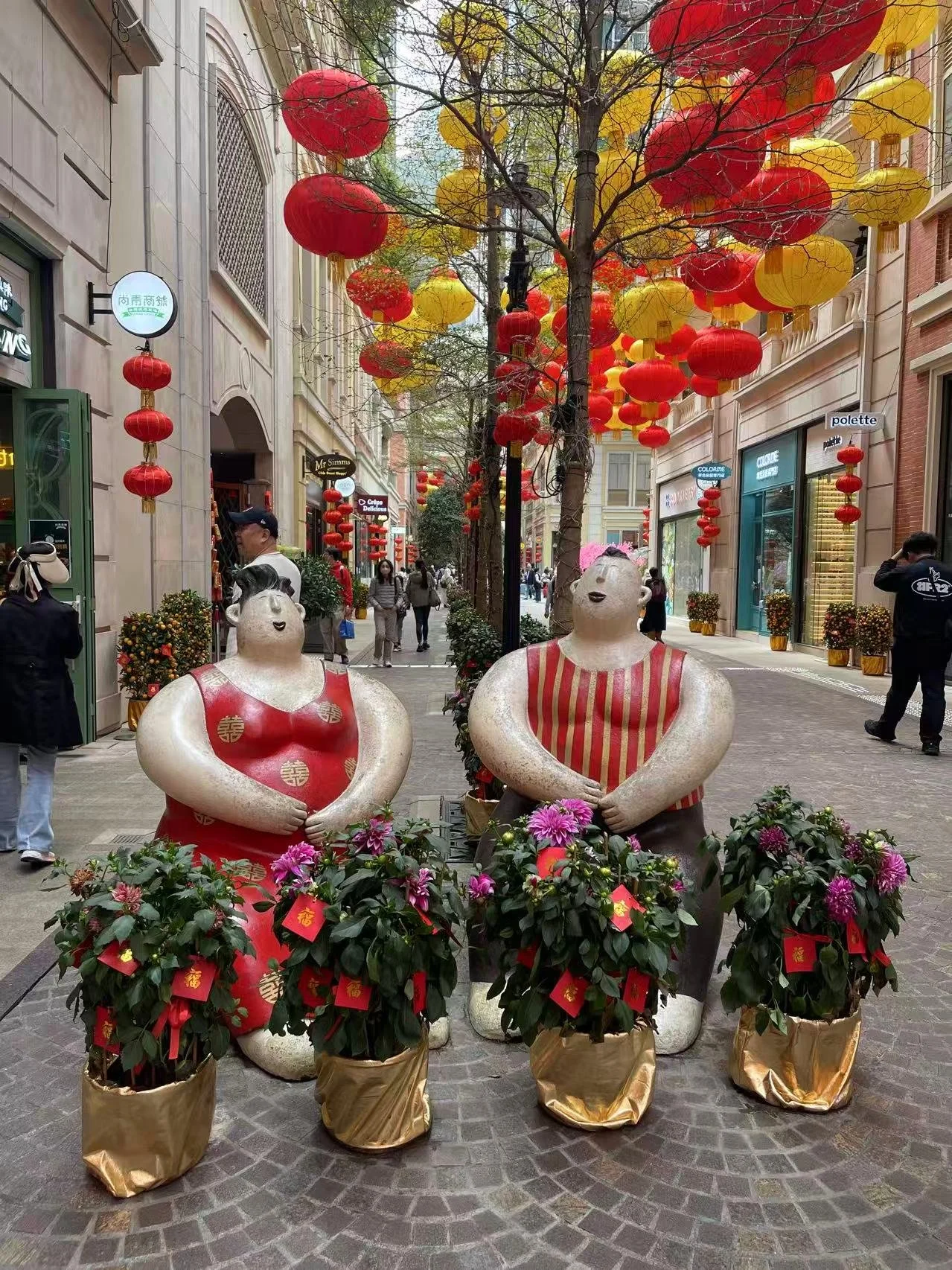
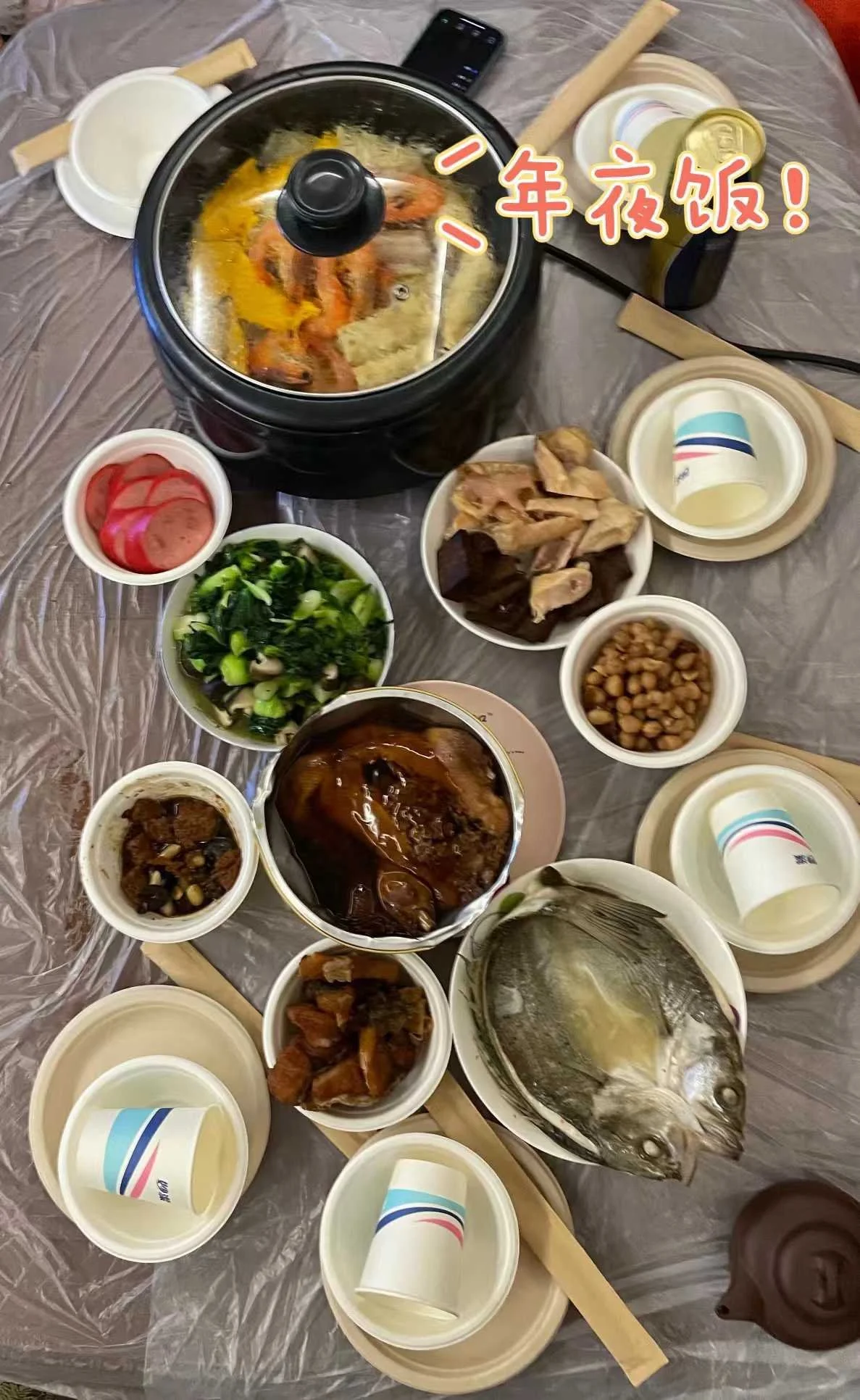
Because people were generally poor, New Year meant finally eating a big feast. Before eating, families would first make offerings to their ancestors. We children could only swallow our saliva and watch eagerly, waiting until the ritual was finished before we could start eating. On the first day of the Lunar New Year, children wore new clothes and found red envelope money under their pillows. The most I ever received was twenty cents; my younger siblings only got five cents. Back then, five cents was enough to watch a movie (the Sunday morning children’s show). On New Year’s Day, we would greet our elders and receive candies, peanuts, and sunflower seeds.
And now? Firecrackers aren’t even allowed anymore. The feeling of the New Year has basically disappeared.