Analytics


“Our convenience store doesn’t have any energy drinks, my sophomore year they had Celsius then this tiny freshman drank four in a day and went into cardiac arrest and they took the drinks out after that.”
—student from private US high school
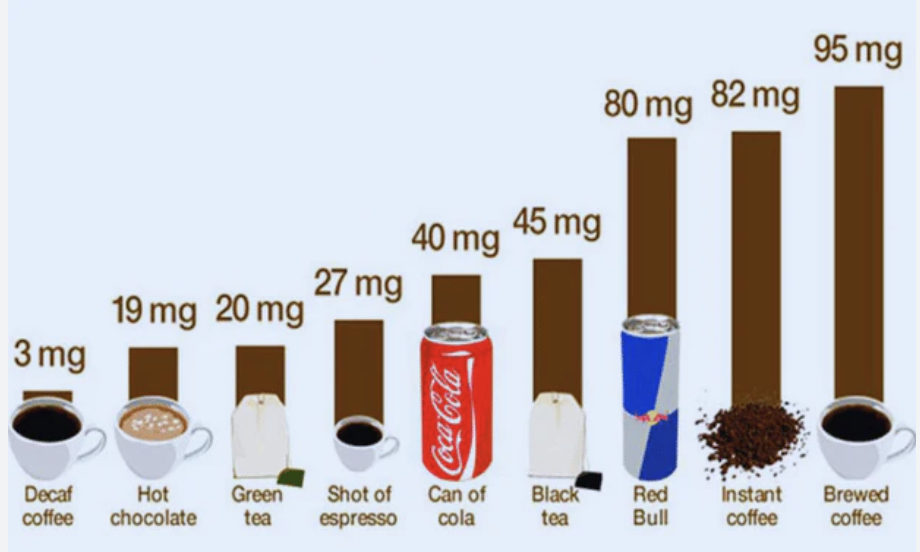
Caffeine usually refers to a natural stimulant, usually consumed through
coffees (coffee beans)
Tea (tea leaves)
Energy Drinks (Guarana)
Soda (Guarana)
Chocolate (Cacao)
medications
It is a central nervous stimulant, blocking adenosine, a chemical that makes you feel sleepy, and increasing the activity of neurotransmitters like dopamine. That leads to raising heart rate and alertness, helping us feel more awake.
However, it has both positive and negative effects.
Positive
It improves alertness and concentration
boost physical performance
improve reaction time
reduce risk of Type 2 diabetes and Parkinson’s disease
Help with short-term memory (especially when tests come up)
Side effects
anxiety and nervousness
Insomnia (trouble sleeping)
cardiovascular: rapid heartbeat, increased blood pressure
headaches
stomach issues: Upset stomach, heartburn, diarrhea, nausea
addiction &withdrawal symptoms of fatigue, irritability, headaches
dehydration
Caffeine and Teens
In finals season like now, caffeine has become one of the indispensable needs of daily life. Students depend on it to stay awake and focus (or lock in) on upcoming assessments, especially when they are sleep deprived—some sleeping only an average of 4 hours per day.
Students obtain caffeine from the school store, in supermarkets, as well as in take-out orders. You could easily spot them on classroom tables, in dorm rooms, in the library, right next to the computer screens that reflect students’ bloodshot eyes. You could also hear them in daily conversations, “Is this Celsius already your second can of the day?”
“YES. I have two major assessments today.”
Though caffeine may boost efficiency when reviewing and help us reach short-term goals such as getting a high score, too much caffeine can disrupt sleep cycles, increase stress, affect brain development, and make us more sleepy than we’re used to when caffeine is not in reach.
Yet ultimately, it is nearly impossible to completely omit caffeine consumption for those in need of the energy support. In the brutal college application season and times heavily loaded with work, it is okay to consume caffeine. But it is also important that we be mindful of our health condition while staying awake for work. Because without a healthy body, the scores will not take us anywhere.
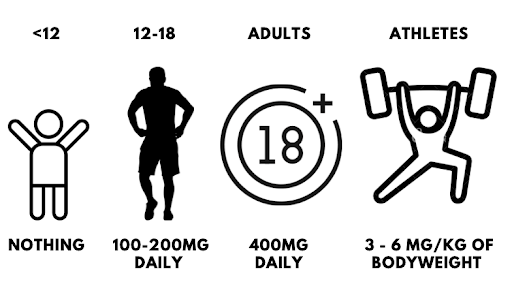
So how much Caffeine is Safe?