About Mosu
In conversation with Mr. Khalil Shabib, co-founder of MOSU
Inspired by the love of BBQ and hotpot, MOSU was the first restaurant in the capital region to combine both concepts under one roof. “Adaptability”, Khalil Shabib, co-owner of the restaurant, said, is the keyword to his journey constructing MOSU.
Shabib opened the restaurant with his wife, Lily Tang, “We just got tired of driving three hours down to the city to eat BBQ and hotpot, so we decided to just open a restaurant that does both.”
In New York City, there are two tiers of restaurants like this: the first, the premium, very expensive, maybe $200 per person worth of food, and the second, the cheaper, with lower quality ingredients. But MOSU searched for something in between, where you're getting higher quality ingredients, higher cuts of meat, a little bit more elevated experience and service, and what it offers, but still offers an all-you-can-eat price.
MOSU opened during COVID, right after the shutdown and during the 50% occupancy. Forced by the societal current, they have to open a new concept with new staffing and a new operation. “But it was definitely something that we look back on and remember as a huge success,” he said.
In adaptation to the Albany community, the restaurant incorporated tutorials on iPad systems for menus, and updated information on the cooking mechanisms, including how long it takes for certain ingredients to cook. However, there are certain things that the restaurant will not compromise on, such as not cooking food for its customers at the table for the full experience of BBQ and hotpot. He believes that the experience of cooking bbq and hotpot is,
“It's an icebreaker, it brings people together.”
What Makes MOSU Stand Out?
Authentic EquipmentCraftsmanshipInstead of an electrical hot plate, the restaurant uses Japanese yakiniku style with a charcoal gas flame for barbecue. Although it is a huge headache for the restaurant, as it requires much more cost to build, maintain, and even requires a fire suppression system, “but 100% much more worth the quality of cooking,” Shabib said, “I mean, imagine cooking a steak on an open flame versus like a college dorm hot plate. There's a huge difference that you can't get.” Aiming for a high-quality cooking and tasting experience, the restaurant held true to authenticity from equipment to ingredients.
Another specialty of the restaurant is its craftsmanship and authentic ingredients. They have a cocktail menu and a bubble tea program made from scratch. Unlike other restaurants, they brew their tea from actual tea leaves in place of a powder mix. “Every lemon, lime, we spend every morning juicing it. We also still make our dumplings by hand, our crab done by hand,” he added, “So the level of quality and service that happens at Mosu is not the same as our competitors, and neither is the quality of our equipment and the experience it delivers.”
Factors when deciding what goes on the All-You-Can-Eat menuFeedback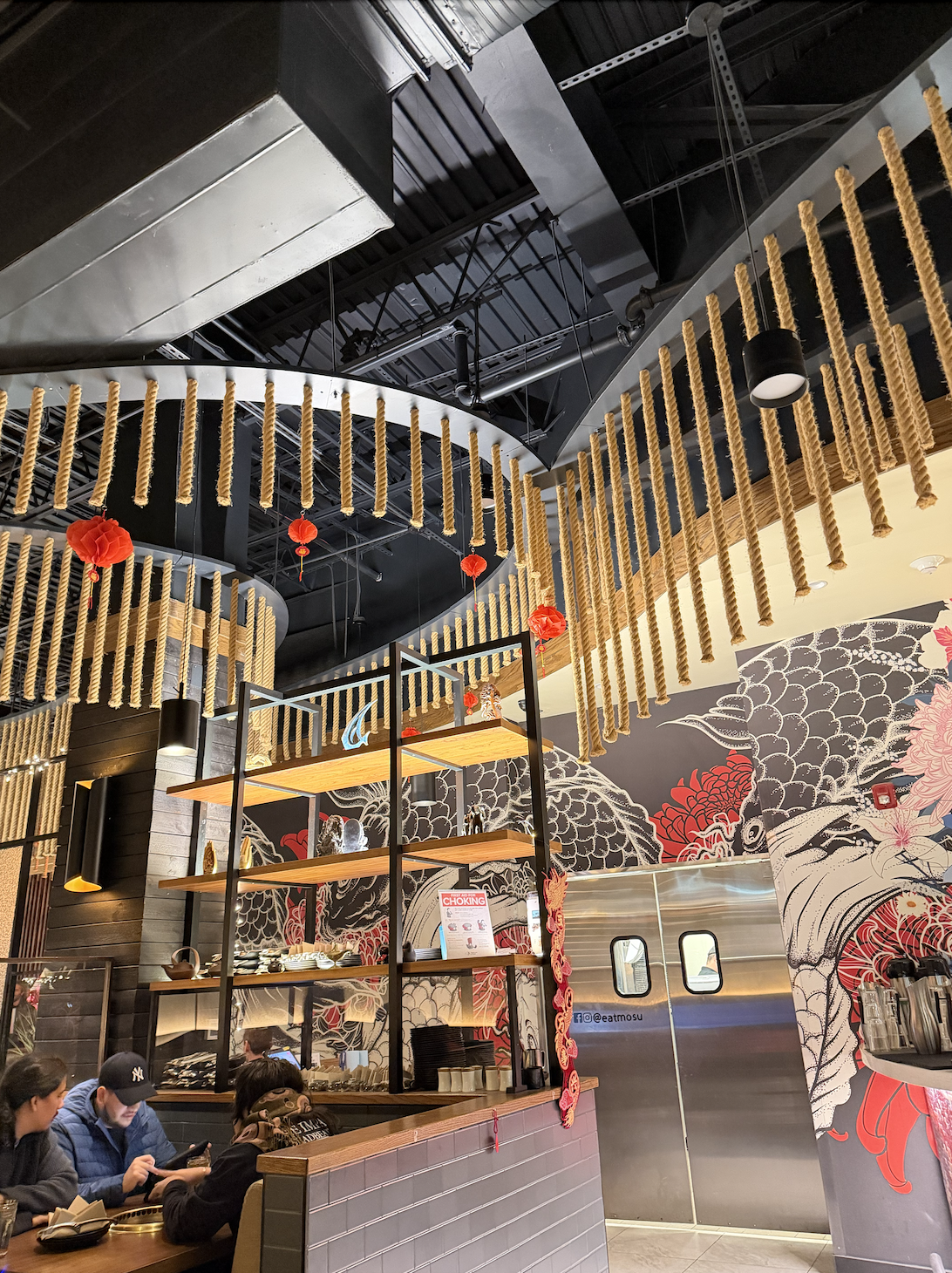
First, market availability. “Because of our high standards of quality, we need to fluctuate a little bit based on what's available in the market. If we have higher ingredients or a higher cut available from our suppliers because it's in season, we'll switch that in,” he disclosed.
Second, team effort in brainstorming the menu. “Our entire team, whether it's at the bar or the kitchen, will get together with our management team. Everybody will have an opinion, and we work as a team to come up with new sauces, new ingredients, new dishes, new flavors,” he added.
Third, customer feedback and demand. “If people are asking for a lot of things, and one good example of that is noodles. We just added noodles as an appetizer to a lot of our barbecue because people were really asking for it, so in the last couple of months we added fresh noodles that come cooked to the barbecue table so people can enjoy that,” he said.
In terms of feedback, they gained a part of it from social media and emails from people recommending things, but they mostly rely on personal feedback. “When people are here, we'll stop in, we'll check in with them. Managers will do table touches to see how their experience was, and we'll ask them if there are any recommendations or if they have any feedback, and people will let us know in person what their thoughts are and if they have any ideas or recommendations.”
Design
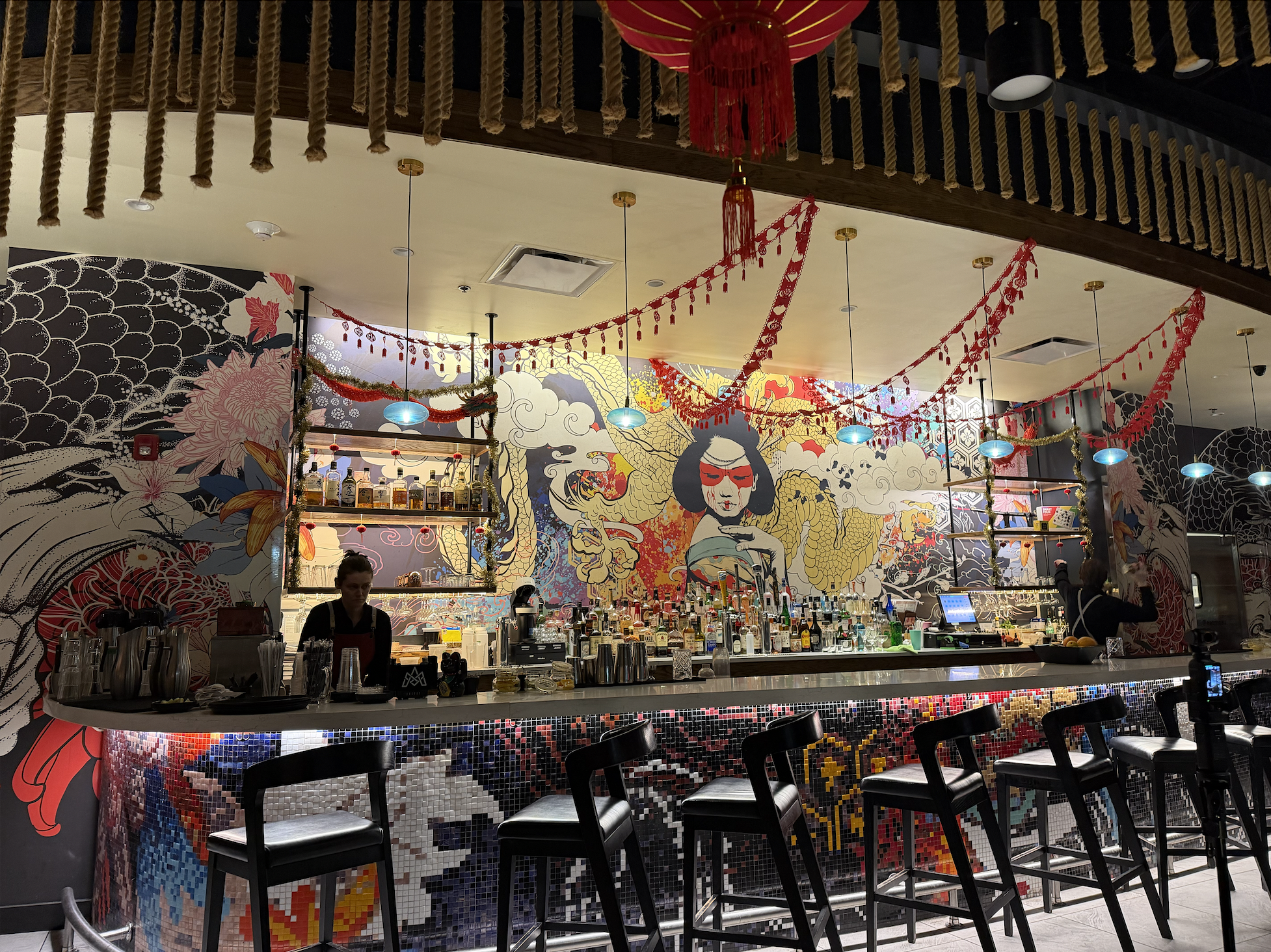
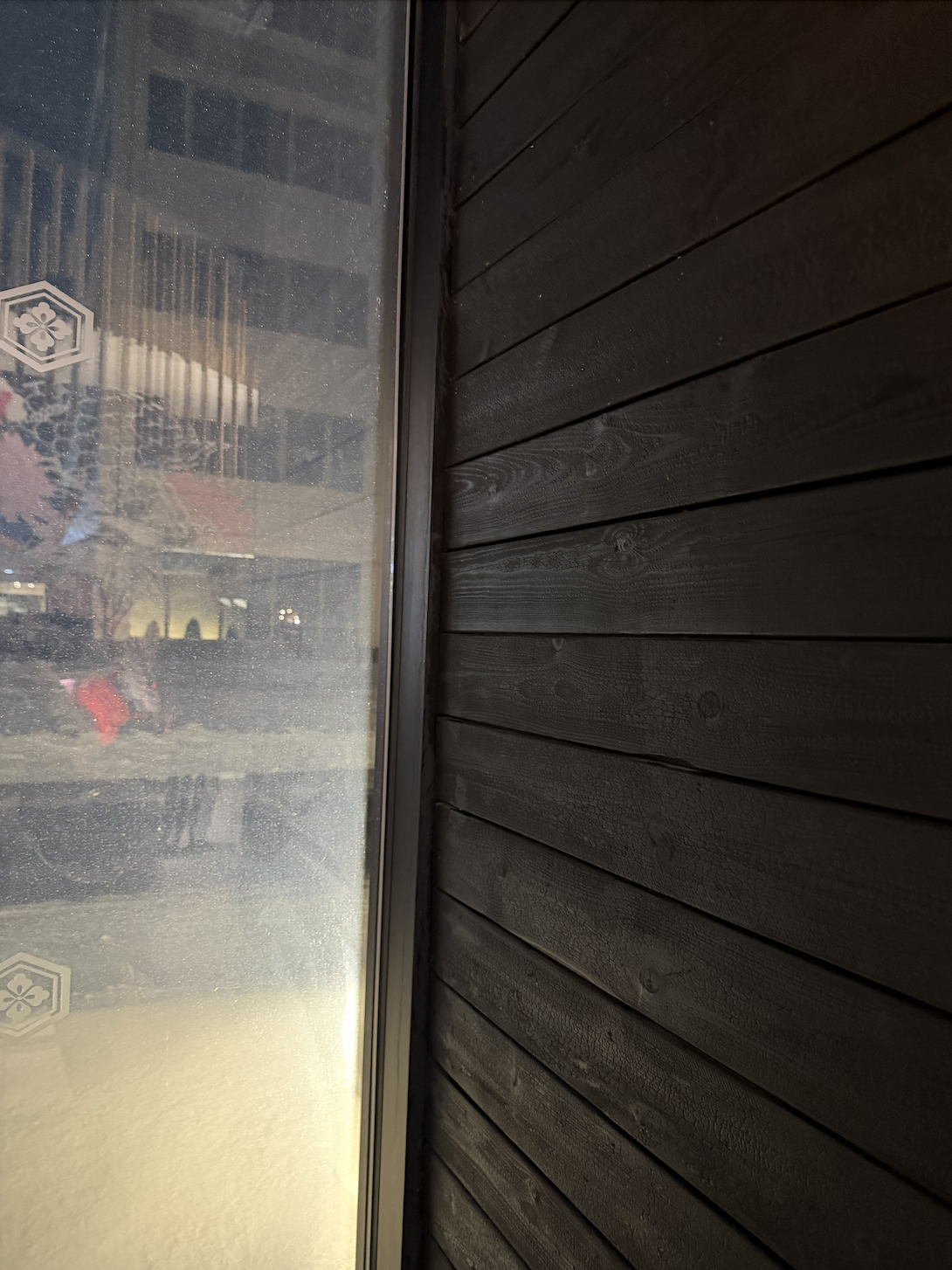
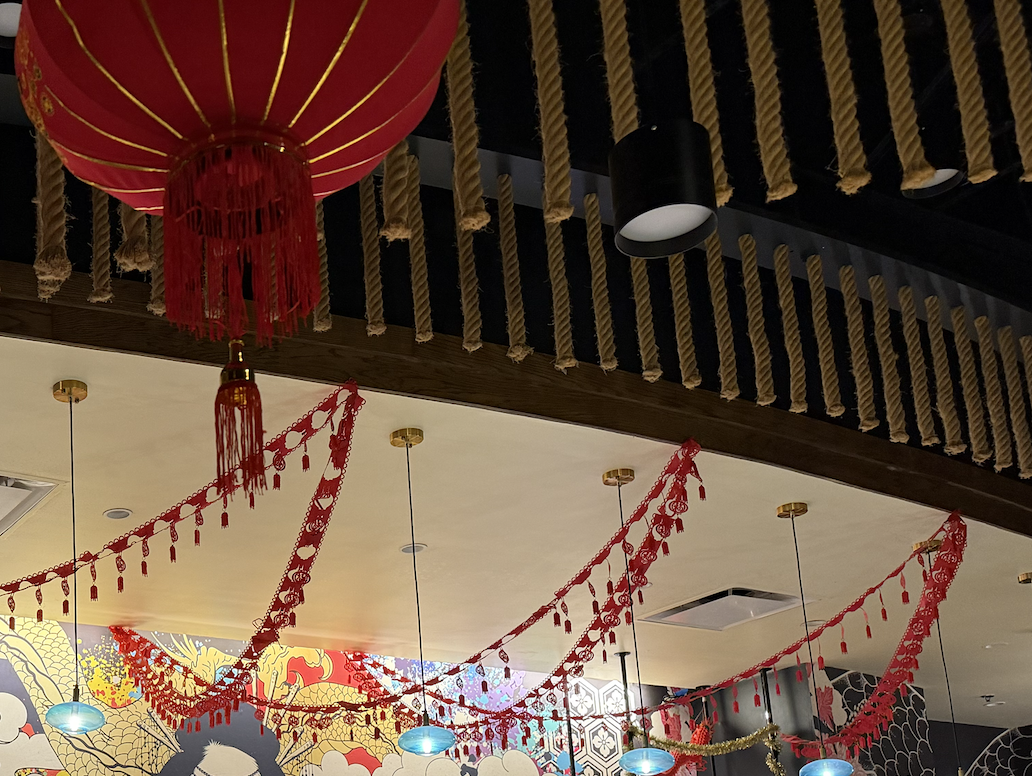
The final spotlight on the restaurant is its design. Starting from a vision board, they deliberately designed certain elements to the restaurants with the goal to stay true to the Asian culture and the architectural elements from Asian history. “So the ropes you're looking at are actual hemp rope that is traditional for Japanese and Chinese marine life where they tied the boats with these actual things and created fishing nets with actual hemp rope,” he said. “[We also got] the shogiban wood. It is the burnt Japanese wood that they used to use in building the facade of the exterior homes. So once you burn the wood and torch it, it becomes resistant to moisture. So you can build outside cladding.”
The restaurant is also actively working with local organizations. “ We try to give back to the community where we can,” he said. They collaborate with Asian clubs in schools and local large employers, such as Regeneron, with Asian community events and meetings, as well as schools like Emma Willard.
Looking into the future, the restaurant is opening a new second location in Rochester, New York. They are currently under construction, but hoping to open in a few months from now. “We're looking forward to doing it all over again.”
Speaking of adaptability, he concluded with a special message for future restaurant managers. “I think with any business and restaurants, being able to adapt to circumstances and adjust and learn from your mistakes is 100%a success factor that you can't survive without.
Even on a personal level, I think that's part of growth. If you can be adaptable and adjust, and maintain your core values in the process, that is a huge way to succeed in life and anything you approach.”
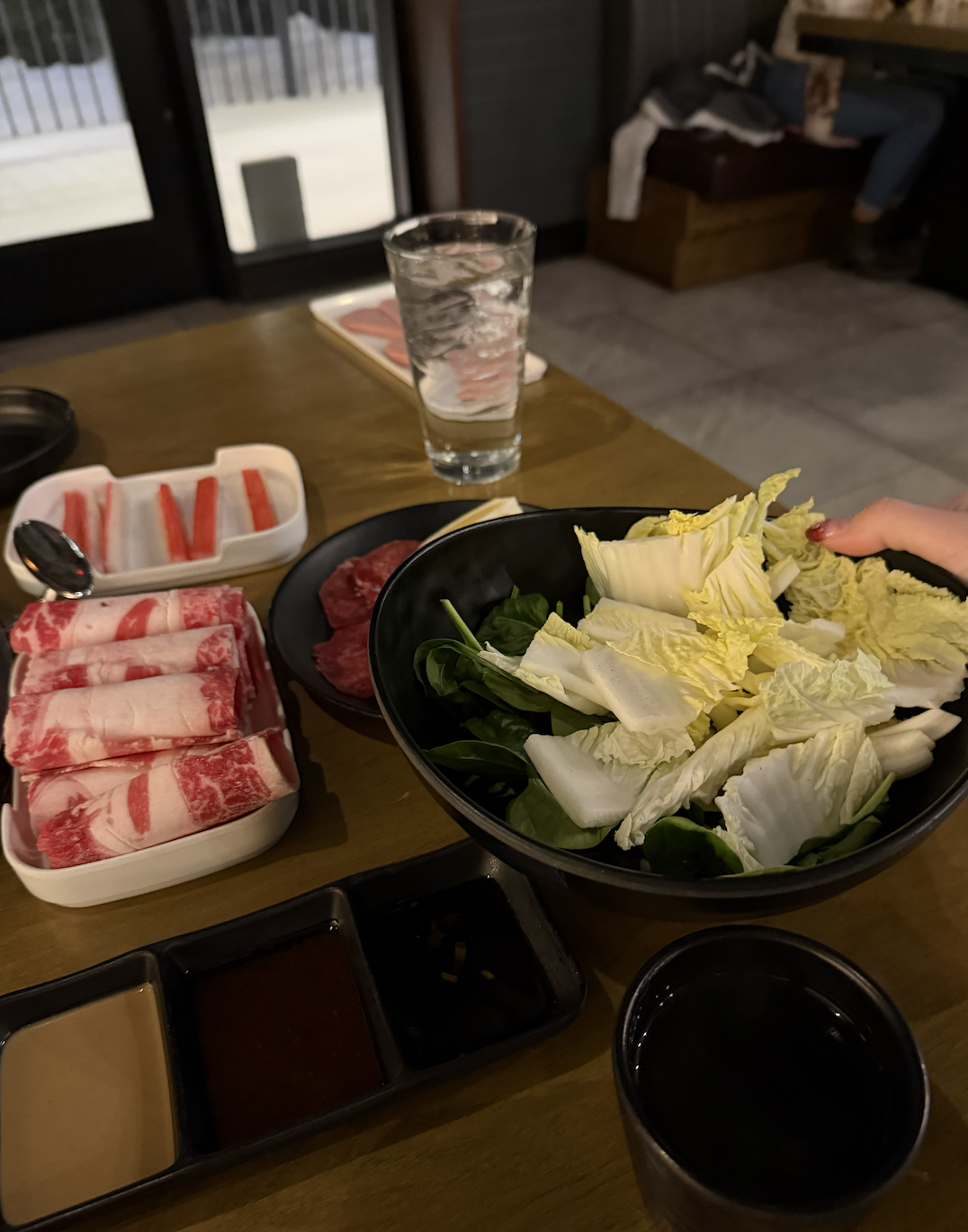
Hotpot & BBQ!-
Add a short summary or a list of helpful resources here.